
IVL and Rotablation
IVL and Rotablation
Severely calcified coronary arteries can make the treatment of coronary artery disease more challenging. When calcium buildup makes an artery rigid and difficult to expand, specialized techniques such as Intravascular Lithotripsy (IVL) and Rotablation may be considered to prepare the artery for angioplasty and stenting.
Dr. Kamlesh Raut is an experienced Interventional Cardiologist in Dwarka, specializing in advanced cardiac care and the management of complex coronary artery disease. Based on the patient's coronary anatomy and clinical condition, he may recommend specialized plaque-modification techniques when conventional angioplasty alone may not be sufficient.
What Is IVL?
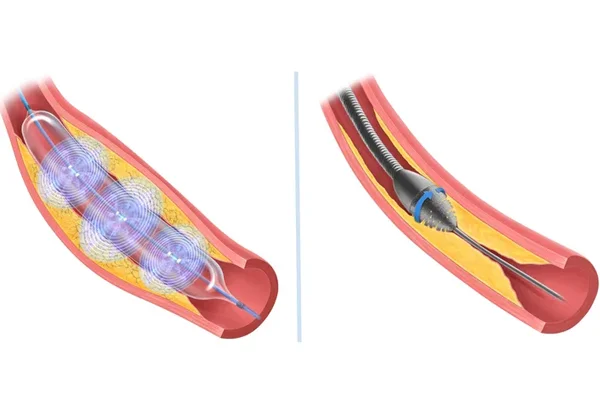
Intravascular Lithotripsy (IVL) is an advanced catheter-based technique used to treat severely calcified coronary arteries. It uses controlled acoustic pressure waves to modify calcium within the arterial wall.
During the procedure, a specialized balloon catheter is positioned at the area of calcification. The system delivers controlled energy pulses that help disrupt calcium deposits, allowing the artery to become more compliant and facilitating subsequent balloon expansion and stent placement.
IVL is performed as part of a coronary intervention and is generally considered when significant calcification may interfere with optimal stent delivery or expansion.
What Is Rotablation?
Rotablation, or rotational atherectomy, is a specialized technique used to modify heavily calcified coronary plaque. It uses a small, rapidly rotating device to carefully modify rigid calcified material within the coronary artery.
The technique can help create a more suitable pathway for balloon angioplasty and stent delivery when severe calcification makes conventional treatment difficult.
Rotablation requires specialized expertise and careful procedural planning because it is generally used for selected complex coronary lesions.
When Are IVL & Rotablation Recommended?
IVL and rotablation may be considered when coronary arteries have significant calcification that can make angioplasty or stent placement challenging.
They may be useful in selected patients with:
- Heavily calcified coronary arteries
- Complex coronary artery disease
- Rigid lesions that are difficult to cross or expand
- Significant calcification affecting stent delivery
- Lesions where adequate stent expansion may be difficult
- Complex coronary anatomy requiring plaque modification
The choice between IVL, rotablation, other plaque-modification techniques, or conventional angioplasty depends on the patient's coronary anatomy and the findings during cardiac imaging and angiography.
How Is IVL Performed?
IVL is performed during a catheter-based coronary intervention. After the appropriate preparation and local anaesthesia, a catheter is guided through the blood vessel to the affected coronary artery.
The IVL balloon is positioned across the calcified section of the artery. Controlled acoustic pressure waves are delivered to modify the calcium. The balloon can then be expanded to help prepare the artery for subsequent treatment.
If required, a coronary stent may be placed after adequate lesion preparation.
How Is Rotablation Performed?
During rotablation, a specialized catheter with a small rotating device is carefully guided to the calcified coronary lesion.
The rotating device modifies the calcified plaque, helping create a more suitable pathway for subsequent balloon angioplasty and stenting. The procedure is performed under continuous imaging and monitoring by the interventional cardiology team.
Because rotablation is used for complex coronary lesions, careful patient selection and procedural expertise are important.
IVL vs Rotablation
Both IVL and rotablation are plaque-modification techniques, but they work differently.
IVL uses controlled acoustic pressure waves to modify calcium within the coronary artery wall and can help improve vessel compliance.
Rotablation uses a specialized rotating device to modify heavily calcified plaque and facilitate treatment of challenging lesions.
The most appropriate technique depends on factors such as the location and severity of calcification, lesion characteristics, vessel size, coronary anatomy, and the planned intervention.
Benefits of IVL & Rotablation
Treatment of Complex Calcification
These specialized techniques can help address coronary lesions where severe calcification makes conventional angioplasty challenging.
Improved Lesion Preparation
Appropriate calcium modification can make it easier to expand the artery and prepare it for stent placement.
Support for Stent Optimization
Adequate lesion preparation may help facilitate appropriate stent expansion and placement.
Advanced Interventional Care
IVL and rotablation provide additional treatment options for selected patients with complex coronary artery disease.
Recovery & Aftercare
Recovery following IVL or rotablation depends on the overall procedure, the patient's health, and whether angioplasty or stenting was performed at the same time.
After the procedure, the patient is monitored for recovery and the catheter access site is assessed. Medicines prescribed after coronary intervention, particularly antiplatelet therapy when a stent has been placed, should be taken exactly as directed.
Patients should follow their cardiologist's recommendations regarding physical activity, diet, medication, follow-up appointments, and management of cardiovascular risk factors.
Why Choose Dr. Kamlesh Raut?
Dr. Kamlesh Raut is a highly experienced Interventional Cardiologist in Dwarka with specialized training in cardiology and advanced interventional procedures. He completed his MD in Medicine from AIIMS, New Delhi, followed by DM in Cardiology from SGPGIMS, Lucknow.
He currently serves as Senior Consultant – Interventional Cardiologist at Max Super Speciality Hospital, Dwarka. His experience includes managing a broad spectrum of cardiovascular conditions and performing advanced interventional cardiac care.
For patients with complex or heavily calcified coronary artery disease, Dr. Raut focuses on detailed assessment and individualized treatment planning. When clinically appropriate, advanced plaque-modification techniques such as IVL or rotablation may be considered to support successful coronary intervention.
Frequently Asked Questions
1. What is IVL in cardiology?
IVL stands for Intravascular Lithotripsy. It is a catheter-based technique that uses controlled acoustic pressure waves to modify calcium in heavily calcified coronary arteries.
2. What is rotablation?
Rotablation, or rotational atherectomy, is a specialized procedure that uses a rapidly rotating device to modify heavily calcified plaque and facilitate coronary intervention.
3. Are IVL and rotablation the same procedure?
No. Both are used to modify calcified coronary lesions, but they use different technologies and techniques. The choice depends on the patient's coronary anatomy and clinical requirements.
4. Does every patient with a blocked artery need IVL or rotablation?
No. These techniques are generally reserved for selected patients with significant coronary calcification or complex lesions where conventional treatment may be difficult.
5. Can a stent be placed after IVL or rotablation?
Yes. In appropriate cases, IVL or rotablation may be used to prepare a calcified lesion before balloon angioplasty and coronary stent placement.
6. Who provides IVL and rotablation in Dwarka?
Dr. Kamlesh Raut is an experienced Interventional Cardiologist in Dwarka who provides specialized evaluation and advanced interventional cardiac care for selected patients with complex coronary artery disease.