
Peripheral Angiography and Angioplasty
Peripheral Angiography and Angioplasty
Healthy blood circulation is essential for delivering oxygen and nutrients to the body's tissues. When arteries outside the heart become narrowed or blocked, it can reduce blood flow to the legs, arms, or other parts of the body. Peripheral angiography and angioplasty are important procedures used to diagnose and treat selected cases of peripheral artery disease.
Dr. Kamlesh Raut is an experienced Interventional Cardiologist in Dwarka providing comprehensive cardiovascular and vascular care. With advanced training in interventional cardiology, he focuses on accurate evaluation and individualized treatment for patients with peripheral arterial blockages.
What Is Peripheral Angiography?
Peripheral angiography is a minimally invasive imaging procedure used to examine blood vessels outside the heart. It can help identify areas where arteries have become narrowed or blocked and assess the severity and location of reduced blood flow.
During the procedure, a thin catheter is guided through a blood vessel and contrast material is injected. X-ray imaging then provides detailed images of the blood vessels, helping the specialist understand the pattern of arterial disease and plan appropriate treatment.
Peripheral angiography may be performed to evaluate arteries supplying the legs, arms, pelvis, or other areas of the body.
What Is Peripheral Angioplasty?
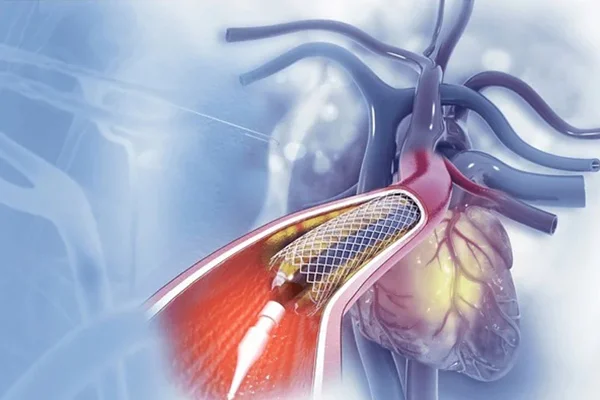
Peripheral angioplasty is a catheter-based procedure used to improve blood flow through a narrowed or blocked peripheral artery. A small balloon catheter is guided to the affected area and carefully inflated to widen the narrowed section of the artery.
In selected cases, a stent may be placed to help keep the artery open and maintain blood flow. The choice of treatment depends on the location, severity, and characteristics of the arterial blockage.
When Is Peripheral Angiography & Angioplasty Recommended?
These procedures may be considered for patients with significant peripheral arterial disease or symptoms caused by reduced blood flow.
A doctor may recommend evaluation when patients experience:
- Pain or cramping in the legs while walking
- Reduced walking distance due to leg discomfort
- Coldness in the feet or legs
- Numbness or weakness in the limbs
- Slow-healing wounds on the feet or legs
- Changes in skin colour
- Reduced pulses in the affected limb
- Significant findings on non-invasive vascular tests
The need for angiography or angioplasty is determined after considering the patient's symptoms, medical history, physical examination, and relevant diagnostic investigations.
How Is Peripheral Angiography Performed?
Before the procedure, Dr. Kamlesh Raut reviews the patient's medical history, medications, allergies, kidney function, and previous vascular investigations.
The procedure is generally performed using local anaesthesia. A catheter is inserted through an appropriate blood vessel and guided towards the area being evaluated. Contrast material is injected through the catheter while X-ray images are obtained.
These images help identify narrowed or blocked sections of the artery and provide information that can assist in determining the appropriate treatment.
How Is Peripheral Angioplasty Performed?
When a significant blockage requires treatment, angioplasty may be performed during the same catheter-based procedure or at a planned later stage.
A guidewire is carefully passed through the narrowed section of the artery. A small balloon is then positioned at the blockage and inflated to widen the artery and improve blood flow.
In selected cases, a stent may be placed to support the artery and maintain adequate blood flow. The procedure is performed under continuous imaging and monitoring.
Benefits of Peripheral Angioplasty
Improved Blood Flow
Angioplasty can help restore or improve circulation through a significantly narrowed peripheral artery.
Reduced Symptoms
Improved circulation may help reduce walking-related leg pain and other symptoms associated with reduced blood flow.
Minimally Invasive Approach
Peripheral angioplasty is performed using a catheter rather than open vascular surgery.
Individualized Treatment
Treatment can be planned according to the location, severity, and characteristics of the arterial blockage.
Potential Support for Wound Healing
In selected patients with reduced limb circulation, improving blood flow may support tissue healing when appropriate.
Risk Factors for Peripheral Artery Disease
Peripheral artery disease can be associated with several cardiovascular risk factors. These include:
- Smoking or tobacco use
- Diabetes
- High blood pressure
- High cholesterol
- Obesity
- Physical inactivity
- Increasing age
- A history of cardiovascular disease
Managing these risk factors is an important part of long-term vascular and cardiovascular health.
Recovery & Aftercare
Recovery after peripheral angiography or angioplasty varies depending on the patient's condition and the complexity of the procedure. Patients are monitored after the procedure, and the catheter access site is checked for bleeding or other concerns.
Patients should follow their cardiologist's instructions regarding medications, physical activity, wound care, and follow-up. If a stent has been placed, prescribed antiplatelet medicines should be taken exactly as directed and should not be stopped without consulting the treating doctor.
Long-term management may also include controlling blood pressure, blood sugar, cholesterol, maintaining a healthy weight, avoiding tobacco, and following an appropriate exercise plan.
Why Choose Dr. Kamlesh Raut?
Dr. Kamlesh Raut is an experienced Interventional Cardiologist in Dwarka with advanced medical training and expertise in catheter-based cardiovascular procedures. He completed his MD in Medicine from AIIMS, New Delhi, followed by DM in Cardiology from SGPGIMS, Lucknow.
He currently works as Senior Consultant – Interventional Cardiologist at Max Super Speciality Hospital, Dwarka. His professional experience includes managing a wide range of cardiovascular conditions and providing advanced interventional cardiac care.
Dr. Raut follows a patient-centred approach, focusing on detailed evaluation, evidence-based treatment, and clear communication. For patients with suspected peripheral arterial disease, he assesses the individual's symptoms and vascular condition before recommending appropriate diagnostic or interventional treatment.
Frequently Asked Questions
1. What is peripheral angiography used for?
Peripheral angiography is used to visualize blood vessels outside the heart and identify areas of narrowing or blockage that may be affecting blood circulation.
2. What is the difference between peripheral angiography and angioplasty?
Angiography is primarily a diagnostic procedure used to visualize blood vessels, while angioplasty is a treatment procedure used to widen a narrowed or blocked artery.
3. Can peripheral angioplasty treat leg artery blockages?
Yes. In selected patients, peripheral angioplasty can be used to improve blood flow through narrowed or blocked arteries supplying the legs.
4. Is peripheral angioplasty a major surgery?
No. It is a minimally invasive, catheter-based procedure. However, the suitability of angioplasty depends on the patient's vascular condition and the characteristics of the blockage.
5. Can a stent be used during peripheral angioplasty?
In selected cases, a stent may be placed to help maintain the opening of the treated artery. The decision depends on the location and characteristics of the blockage.
6. Who provides peripheral angiography and angioplasty in Dwarka?
Dr. Kamlesh Raut is an experienced Interventional Cardiologist in Dwarka providing specialized cardiovascular evaluation and interventional care. The appropriate treatment is determined after a detailed clinical assessment.