
Permanent Pacemaker Implantation
Permanent Pacemaker Implantation
A healthy heart depends on a properly functioning electrical system to maintain a regular heartbeat. When the heart beats too slowly or the electrical signals become disrupted, it can cause dizziness, weakness, fainting, breathlessness, or other symptoms. In selected patients, Permanent Pacemaker Implantation (PPI) can help maintain an appropriate heart rhythm.
Dr. Kamlesh Raut is an experienced Interventional Cardiologist in Dwarka, providing comprehensive evaluation and advanced cardiac care for patients with heart rhythm disorders. With specialized training in cardiology and interventional procedures, he focuses on selecting appropriate treatment based on each patient's symptoms, cardiac investigations, and overall health.
What Is a Permanent Pacemaker?
A permanent pacemaker is a small electronic medical device designed to help regulate the heart's rhythm when the heart's natural electrical system is unable to maintain an appropriate heartbeat.
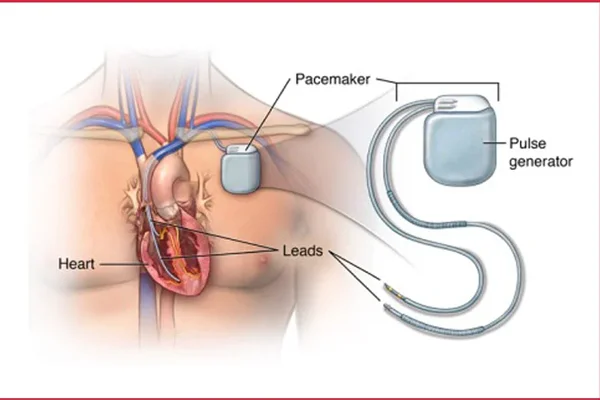
The device generally consists of a pulse generator and one or more leads, depending on the type of pacemaker required. The pulse generator produces electrical impulses, while the leads deliver these impulses to the heart when necessary.
A pacemaker does not replace the heart. Instead, it supports the heart's natural electrical activity when the heartbeat becomes too slow or irregular.
Who May Need Permanent Pacemaker Implantation?
Permanent pacemaker implantation may be recommended for selected patients with clinically significant abnormalities of the heart's electrical system.
Conditions that may require pacemaker evaluation include:
- Symptomatic slow heart rate or bradycardia
- Certain types of heart block
- Conduction system disorders
- Some abnormalities of the heart's natural pacemaker
- Recurrent fainting associated with specific rhythm disorders
- Certain rhythm problems that cause inadequate heart rates
- Selected patients with other cardiac conditions requiring pacing support
The need for a permanent pacemaker is determined after a detailed assessment. Tests such as an ECG, Holter monitoring, echocardiography, or other cardiac investigations may be recommended depending on the patient's symptoms.
Symptoms That May Indicate a Heart Rhythm Problem
Electrical disturbances in the heart may cause different symptoms. Patients may experience:
- Dizziness or light-headedness
- Fainting or near-fainting
- Unusual fatigue
- Shortness of breath
- Reduced ability to exercise
- Weakness
- Awareness of an unusually slow heartbeat
Some rhythm abnormalities may not cause obvious symptoms and may be detected during a routine ECG or other cardiac evaluation.
How Is Permanent Pacemaker Implantation Performed?
Before implantation, the cardiologist evaluates the patient's symptoms, medical history, medications, ECG findings, and other relevant investigations. The type of pacemaker is selected according to the patient's specific rhythm problem and clinical requirements.
The procedure is generally performed under local anaesthesia with appropriate sedation when required. A small incision is made, usually below the collarbone. The pacemaker leads are carefully guided through a blood vessel into the appropriate chambers of the heart.
The leads are connected to the pulse generator, which is positioned beneath the skin. The device is then checked to ensure that it is functioning correctly before the incision is closed.
The exact technique and type of pacemaker depend on the patient's heart rhythm disorder and individual medical needs.
Benefits of Permanent Pacemaker Implantation
Supports Heart Rhythm
A pacemaker can help maintain an appropriate heart rate when the heart's natural electrical system is not functioning adequately.
Reduces Symptoms
In appropriately selected patients, pacing may help reduce symptoms associated with slow heart rhythms, such as dizziness, weakness, and fainting.
Improves Daily Function
By supporting an appropriate heart rate, pacemaker therapy may help eligible patients return to improved daily activity and quality of life.
Long-Term Rhythm Support
A permanent pacemaker is designed to provide ongoing pacing support and is regularly monitored after implantation.
Recovery After Pacemaker Implantation
Recovery varies between patients and depends on the type of procedure and overall health. The implantation site may remain mildly sore or swollen for a short period.
Patients are usually advised to keep the wound clean and follow specific instructions regarding physical activity and arm movements during the initial recovery period. Regular follow-up appointments are important to check the pacemaker's function and battery status.
Patients should inform healthcare professionals that they have a pacemaker before undergoing certain medical procedures or investigations.
Pacemaker Follow-Up
Regular pacemaker follow-up is an important part of long-term care. During follow-up, the device can be checked to ensure that it is functioning correctly and that the programmed settings remain appropriate.
The pacemaker's battery is also monitored. Modern pacemakers are designed to last for several years, although battery life varies depending on the device type and how frequently pacing is required.
When the battery reaches the end of its useful life, the pulse generator can generally be replaced through a planned procedure.
Why Choose Dr. Kamlesh Raut?
Dr. Kamlesh Raut is a highly experienced Interventional Cardiologist in Dwarka with advanced training in cardiovascular medicine. He completed his MD in Medicine from AIIMS, New Delhi, followed by DM in Cardiology from SGPGIMS, Lucknow.
He currently serves as Senior Consultant – Interventional Cardiologist at Max Super Speciality Hospital, Dwarka. His experience includes the diagnosis and management of a broad range of cardiovascular and cardiac rhythm conditions.
Dr. Raut follows a patient-centred approach, carefully assessing symptoms and cardiac investigations before recommending treatment. His focus is on evidence-based care, clear communication, and helping patients understand their condition and available treatment options.
Frequently Asked Questions
1. What is a permanent pacemaker?
A permanent pacemaker is a small electronic device implanted under the skin to help regulate the heart rate when the heart's natural electrical system is unable to maintain an appropriate rhythm.
2. Who needs a permanent pacemaker?
Pacemakers may be recommended for selected patients with clinically significant slow heart rates, certain types of heart block, or other electrical conduction disorders.
3. Is pacemaker implantation a major surgery?
Pacemaker implantation is generally a minimally invasive procedure performed under local anaesthesia. The exact procedure and recovery depend on the patient's condition and the type of pacemaker required.
4. How long does a pacemaker last?
Pacemaker battery life varies depending on the device and how frequently it is used. The device is checked regularly, and the pulse generator can generally be replaced when the battery becomes depleted.
5. Can a person live a normal life with a pacemaker?
Many people with pacemakers are able to return to their usual daily activities after recovery. Activity recommendations vary depending on the individual's heart condition and should be discussed with the treating cardiologist.
6. Who provides permanent pacemaker implantation in Dwarka?
Dr. Kamlesh Raut is an experienced cardiologist in Dwarka providing specialized cardiac evaluation and interventional care. The need for permanent pacemaker implantation is determined after detailed rhythm and cardiac assessment.