
ICD Implantation
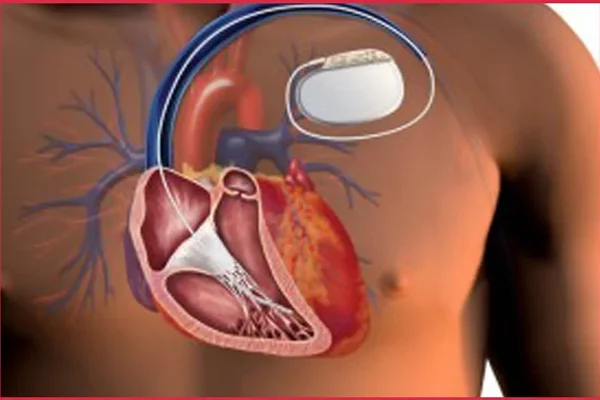
ICD Implantation
Certain heart conditions can increase the risk of dangerous abnormal heart rhythms that may become life-threatening. An Implantable Cardioverter Defibrillator (ICD) is a specialized cardiac device designed to monitor the heart rhythm continuously and deliver therapy when it detects certain potentially dangerous rhythms.
Dr. Kamlesh Raut is an experienced Interventional Cardiologist in Dwarka, providing comprehensive cardiac evaluation and advanced device-based heart care. With specialized training in cardiology, he evaluates patients carefully to determine whether ICD implantation may be appropriate based on their heart condition, rhythm history, heart function, and overall risk profile.
What Is an Implantable Cardioverter Defibrillator?
An Implantable Cardioverter Defibrillator (ICD) is a small electronic device implanted inside the body to continuously monitor the heart's electrical activity.
If the device detects certain dangerous fast heart rhythms, it can deliver an electrical therapy intended to restore a safer heart rhythm. Some ICDs can also provide pacing support when required.
An ICD is different from a standard pacemaker. While a pacemaker primarily provides pacing support for slow heart rhythms, an ICD is specifically designed to detect and treat certain potentially life-threatening fast ventricular rhythms.
Who May Need ICD Implantation?
ICD implantation may be considered for selected patients who have a significant risk of life-threatening ventricular arrhythmias or sudden cardiac arrest.
Depending on the clinical situation, an ICD may be considered for patients with:
- Previous cardiac arrest caused by a dangerous ventricular rhythm
- Certain sustained ventricular tachycardias
- Selected patients with significantly reduced heart function
- Certain cardiomyopathies associated with increased arrhythmia risk
- Specific inherited or structural heart conditions
- Patients considered at elevated risk of sudden cardiac death after detailed evaluation
The decision to implant an ICD is individualized. The cardiologist considers the patient's diagnosis, heart function, previous rhythm events, medical history, medications, and other risk factors.
Symptoms That May Require Cardiac Evaluation
Potentially serious heart rhythm disorders may present with:
- Fainting or unexplained loss of consciousness
- Fast or irregular heartbeat
- Palpitations
- Dizziness or light-headedness
- Breathlessness
- Chest discomfort
- Unexplained weakness
Some dangerous rhythm disorders may occur without warning. Patients with known heart disease or significant risk factors should follow their cardiologist's recommendations for regular evaluation.
How Is ICD Implantation Performed?
Before ICD implantation, the cardiologist performs a detailed assessment and reviews relevant investigations such as ECG, echocardiography, rhythm monitoring, and other tests when required.
The procedure is generally performed under local anaesthesia with appropriate sedation. A small incision is made, usually below the collarbone. One or more leads are guided through a blood vessel into the appropriate chamber or chambers of the heart.
The leads are connected to the ICD pulse generator, which is placed beneath the skin. The system is tested and programmed according to the patient's clinical requirements before the incision is closed.
The exact type of ICD and implantation technique depend on the patient's heart rhythm condition and individual medical needs.
How Does an ICD Work?
An ICD continuously monitors the heart's electrical activity. If it detects a dangerous rhythm that meets programmed criteria, it can provide appropriate therapy.
Depending on the device and rhythm, therapy may include:
- Anti-tachycardia pacing: Rapid pacing impulses may be used to interrupt certain abnormal fast rhythms.
- Cardioversion: A controlled electrical shock may be delivered to restore a safer rhythm.
- Defibrillation: A stronger electrical shock may be delivered when a life-threatening ventricular rhythm is detected.
Some ICDs can also provide pacing support for slow heart rates.
Benefits of ICD Implantation
Protection Against Dangerous Rhythms
An ICD continuously monitors the heart and can provide therapy when certain life-threatening rhythms are detected.
Reduced Risk of Sudden Cardiac Death
For appropriately selected high-risk patients, an ICD can help reduce the risk associated with certain dangerous ventricular arrhythmias.
Continuous Monitoring
The device continuously monitors the heart rhythm without requiring the patient to manually activate it when a dangerous rhythm occurs.
Long-Term Cardiac Support
Regular follow-up allows the cardiology team to assess device performance, battery status, and stored rhythm information.
Recovery After ICD Implantation
Recovery varies from person to person. Mild soreness, bruising, or discomfort around the implantation site may occur during the initial recovery period.
Patients are given specific instructions regarding wound care, physical activity, and movements involving the arm on the side of implantation. Follow-up appointments are important for checking the device and making any necessary programming adjustments.
Patients should inform doctors, dentists, and other healthcare professionals that they have an ICD before undergoing certain medical procedures.
ICD Follow-Up and Device Monitoring
Regular follow-up is an important part of living with an ICD. During device checks, the cardiologist can assess battery status, lead function, device settings, and recorded heart rhythm events.
Some ICD systems also support remote monitoring, depending on the device and available follow-up arrangements.
The ICD battery is designed to last for several years. Battery life varies according to the device type and how frequently it delivers pacing or shock therapy. When the battery approaches the end of its useful life, the pulse generator can generally be replaced through a planned procedure.
Why Choose Dr. Kamlesh Raut?
Dr. Kamlesh Raut is a highly experienced Interventional Cardiologist in Dwarka with advanced training in cardiovascular medicine. He completed his MD in Medicine from AIIMS, New Delhi, followed by DM in Cardiology from SGPGIMS, Lucknow.
He currently serves as Senior Consultant – Interventional Cardiologist at Max Super Speciality Hospital, Dwarka. His professional experience includes comprehensive cardiac care, interventional cardiology, and the evaluation and management of cardiovascular conditions.
Dr. Raut follows a patient-centred and evidence-based approach. For patients being considered for ICD implantation, he focuses on detailed cardiac assessment and individualized risk evaluation before recommending device therapy.
Frequently Asked Questions
1. What is an ICD?
An ICD, or Implantable Cardioverter Defibrillator, is a cardiac device that continuously monitors heart rhythm and can deliver electrical therapy to treat certain dangerous abnormal heart rhythms.
2. What is the difference between an ICD and a pacemaker?
A pacemaker primarily provides pacing support for slow heart rhythms. An ICD can provide pacing but is additionally designed to detect and treat certain dangerous fast ventricular rhythms.
3. Who may require an ICD?
ICD implantation may be recommended for selected patients who have experienced certain dangerous ventricular arrhythmias or who have a sufficiently high risk of sudden cardiac death based on their underlying heart condition.
4. Is ICD implantation a major surgery?
ICD implantation is generally performed as a minimally invasive procedure. The exact technique, anaesthesia, hospital stay, and recovery depend on the patient's health and the type of device being implanted.
5. How long does an ICD battery last?
Battery life varies depending on the device and how frequently it provides therapy. Regular device checks help monitor battery status and determine when replacement may be required.
6. Who provides ICD implantation in Dwarka?
Dr. Kamlesh Raut is an experienced cardiologist in Dwarka providing specialized cardiac evaluation and advanced cardiac care. The need for ICD implantation is determined after a detailed assessment of the patient's heart rhythm and overall cardiovascular risk.