
CRT Device Implantation
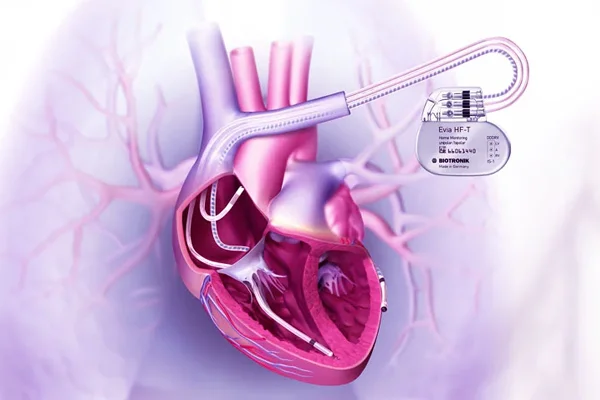
CRT Device Implantation
Some patients with heart failure may have an abnormal electrical pattern that causes the chambers of the heart to contract out of coordination. This can reduce the efficiency of the heart's pumping action and contribute to persistent symptoms. Cardiac Resynchronization Therapy (CRT) is an advanced device-based treatment that can help coordinate the contraction of the heart chambers in appropriately selected patients.
Dr. Kamlesh Raut is an experienced Interventional Cardiologist in Dwarka, providing comprehensive evaluation and advanced cardiac care. With specialized training in cardiology, he carefully assesses patients with heart failure and rhythm abnormalities to determine whether CRT device implantation may be appropriate.
What Is Cardiac Resynchronization Therapy?
Cardiac Resynchronization Therapy (CRT) uses a specialized implanted device to help coordinate the contractions of the heart's ventricles. The device sends carefully timed electrical impulses to stimulate the heart chambers and improve synchronization.
CRT may be considered in selected patients with heart failure, reduced heart pumping function, and specific electrical conduction abnormalities.
There are two main types of CRT devices:
- CRT-P: Cardiac resynchronization therapy with pacing support.
- CRT-D: Cardiac resynchronization therapy combined with an implantable cardioverter-defibrillator, which can also provide therapy for certain dangerous heart rhythms.
The appropriate device depends on the patient's heart condition, rhythm, heart function, and risk of ventricular arrhythmias.
Who May Benefit From CRT?
CRT is not required for every patient with heart failure. It is generally considered for carefully selected patients who meet specific clinical and electrical criteria.
A cardiologist may consider CRT for patients with:
- Symptomatic heart failure despite appropriate medical treatment
- Reduced left ventricular pumping function
- Certain conduction abnormalities, such as a prolonged QRS complex
- Electrical dyssynchrony affecting ventricular contraction
- Selected patients with a high pacing requirement
- Certain patients who remain symptomatic despite guideline-directed treatment
A detailed cardiac evaluation is essential before deciding whether CRT is appropriate.
Symptoms of Heart Failure
Patients who may benefit from advanced heart failure evaluation can experience:
- Breathlessness during activity or at rest
- Persistent tiredness or weakness
- Swelling in the feet, ankles, or legs
- Reduced ability to perform everyday activities
- Rapid or irregular heartbeat
- Difficulty lying flat due to breathlessness
- Unexplained weight gain due to fluid retention
These symptoms can have several causes. A cardiology assessment can help identify the underlying problem and determine appropriate treatment.
How Is CRT Device Implantation Performed?
Before CRT implantation, Dr. Kamlesh Raut evaluates the patient's symptoms, heart function, ECG findings, medical history, medications, and other relevant investigations.
The procedure is generally performed under local anaesthesia with appropriate sedation. A small incision is made, usually below the collarbone. The device leads are carefully guided through a blood vessel towards the heart.
Unlike a conventional pacemaker that may stimulate one or two chambers, a CRT system is designed to coordinate stimulation of the ventricles. The leads are connected to the CRT pulse generator, which is positioned beneath the skin.
The device is then tested and programmed according to the patient's clinical requirements.
The exact implantation technique and device type depend on the patient's anatomy, heart condition, rhythm disorder, and treatment goals.
How Does CRT Work?
In certain patients with heart failure, the electrical signal that activates the heart's ventricles may travel abnormally. As a result, the ventricles may contract at different times instead of working together efficiently.
CRT delivers electrical stimulation in a coordinated manner to improve ventricular synchronization. Better coordination may improve the efficiency of the heart's contractions in appropriately selected patients.
The response to CRT varies between individuals and depends on the underlying heart condition and other factors.
Benefits of CRT Device Implantation
Improved Heart Synchronization
CRT can help coordinate ventricular contractions in patients with electrical dyssynchrony.
Support for Heart Function
In appropriately selected patients, CRT may improve the efficiency of the heart's pumping action.
Reduction in Heart Failure Symptoms
Some patients may experience improvement in symptoms such as breathlessness, fatigue, and reduced exercise tolerance.
Improved Quality of Life
By improving cardiac function and symptoms in suitable patients, CRT may help support daily activities and overall quality of life.
Long-Term Cardiac Monitoring
CRT devices are regularly checked to assess device performance, battery status, and cardiac rhythm information.
Recovery After CRT Implantation
Recovery varies depending on the patient's overall health and the complexity of the procedure. Mild soreness or bruising around the implantation site may occur during the initial recovery period.
Patients receive specific instructions regarding wound care, physical activity, and arm movements during the early healing period. Regular follow-up appointments are important to check the device and optimize its settings.
Patients should inform healthcare professionals that they have an implanted cardiac device before undergoing certain medical procedures.
CRT Device Follow-Up
Regular device monitoring is an important part of long-term CRT care. During follow-up, the cardiologist can assess the device's function, lead performance, battery status, programmed settings, and recorded cardiac information.
The device may require programming adjustments over time depending on the patient's response and clinical condition.
CRT devices are designed to function for several years, although battery life varies depending on the device type and how frequently it is used. When the battery approaches the end of its useful life, the pulse generator can generally be replaced through a planned procedure.
Why Choose Dr. Kamlesh Raut?
Dr. Kamlesh Raut is a highly experienced Interventional Cardiologist in Dwarka with advanced training in cardiovascular medicine. He completed his MD in Medicine from AIIMS, New Delhi, followed by DM in Cardiology from SGPGIMS, Lucknow.
He currently serves as Senior Consultant – Interventional Cardiologist at Max Super Speciality Hospital, Dwarka. His professional experience includes comprehensive cardiac care, interventional cardiology, and the management of complex cardiovascular conditions.
Dr. Raut follows a patient-centred and evidence-based approach. For patients with heart failure and electrical conduction abnormalities, he carefully evaluates cardiac function, rhythm, ECG findings, and overall health before considering advanced device-based treatment such as CRT.
Frequently Asked Questions
1. What is a CRT device?
A CRT device is an implanted cardiac device designed to coordinate the contractions of the heart's ventricles in selected patients with heart failure and electrical conduction abnormalities.
2. What is the difference between CRT-P and CRT-D?
CRT-P provides cardiac resynchronization and pacing support. CRT-D provides resynchronization and also includes defibrillator capabilities for patients at risk of certain dangerous ventricular rhythms.
3. Who needs CRT implantation?
CRT may be recommended for selected patients with symptomatic heart failure, reduced heart function, and specific electrical conduction abnormalities. The decision is based on detailed clinical assessment.
4. Is CRT implantation a major surgery?
CRT implantation is generally performed using a minimally invasive technique. The procedure and recovery vary depending on the patient's condition and the type of device required.
5. Can CRT improve heart failure symptoms?
In appropriately selected patients, CRT may improve heart synchronization and cardiac function, which can help reduce symptoms and improve quality of life.
6. Who provides CRT device implantation in Dwarka?
Dr. Kamlesh Raut is an experienced cardiologist in Dwarka providing specialized cardiac evaluation and advanced cardiac care. The suitability of CRT is determined after a detailed assessment of the patient's heart function and electrical conduction.