
Percutaneous Balloon Mitral Valvuloplasty
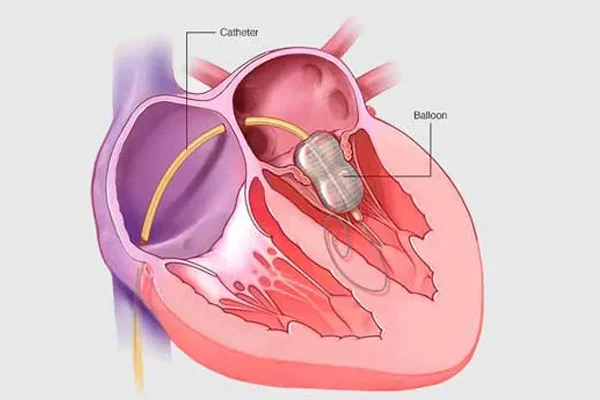
Percutaneous Balloon Mitral Valvuloplasty
A healthy mitral valve allows blood to flow smoothly between the heart's left upper and lower chambers. When the valve becomes narrowed, a condition known as mitral stenosis, blood flow through the heart can become restricted. In selected patients, Percutaneous Balloon Mitral Valvuloplasty (PBMV) can help improve blood flow by widening the narrowed valve.
Dr. Kamlesh Raut is an experienced Interventional Cardiologist in Dwarka, providing comprehensive evaluation and advanced catheter-based cardiac care. With specialized training in cardiology and interventional procedures, he carefully assesses each patient's valve condition, symptoms, heart function, and overall health before determining whether balloon valvuloplasty is appropriate.
What Is Percutaneous Balloon Mitral Valvuloplasty?
Percutaneous Balloon Mitral Valvuloplasty is a minimally invasive procedure used to treat selected cases of mitral valve stenosis.
During the procedure, a specially designed balloon catheter is guided through a blood vessel to the heart and positioned across the narrowed mitral valve. The balloon is then carefully inflated to separate fused portions of the valve and increase the opening through which blood can flow.
Unlike open-heart valve surgery, PBMV is performed through a catheter and does not require a large surgical incision.
What Is Mitral Stenosis?
Mitral stenosis occurs when the mitral valve becomes narrowed and does not open fully. This can restrict blood flow from the left atrium into the left ventricle.
Rheumatic heart disease is an important cause of mitral stenosis in many patients. Other causes and degenerative changes may also contribute to valve narrowing.
Depending on its severity, mitral stenosis can cause:
- Breathlessness
- Fatigue
- Reduced exercise tolerance
- Palpitations
- Swelling in the legs
- Chest discomfort
- Difficulty breathing while lying down
Some patients may have significant valve narrowing without obvious symptoms, making regular cardiac evaluation important when risk factors or previous valve disease are present.
Who May Benefit From Balloon Mitral Valvuloplasty?
PBMV may be considered for carefully selected patients with significant mitral stenosis when the valve anatomy is suitable for balloon treatment.
A cardiologist may evaluate factors such as:
- Severity of mitral valve narrowing
- Symptoms and functional limitations
- Valve anatomy and mobility
- Degree of valve calcification
- Presence or absence of significant mitral regurgitation
- Blood clot within the left atrium
- Overall heart function
- Pulmonary artery pressure
Not every patient with mitral stenosis is suitable for PBMV. Detailed echocardiographic assessment is essential before the procedure.
How Is Balloon Mitral Valvuloplasty Performed?
Before the procedure, Dr. Kamlesh Raut reviews the patient's symptoms, medical history, medications, and cardiac investigations. Echocardiography is particularly important for assessing the mitral valve and determining whether the anatomy is suitable.
The procedure is performed using a catheter introduced through a blood vessel, commonly in the groin. The catheter is carefully guided towards the heart and across the mitral valve.
A specialized balloon is positioned across the narrowed valve. The balloon is then inflated in a controlled manner to widen the valve opening. The balloon is subsequently deflated and removed.
Imaging is used throughout the procedure to guide catheter positioning and assess the result.
Benefits of Percutaneous Balloon Mitral Valvuloplasty
Improved Blood Flow
Widening the narrowed mitral valve can improve blood flow from the left atrium into the left ventricle.
Relief of Symptoms
In appropriately selected patients, treatment may improve symptoms such as breathlessness and reduced exercise tolerance.
Minimally Invasive Procedure
PBMV is performed through a catheter rather than requiring conventional open-heart surgery.
Faster Recovery
Because the procedure is minimally invasive, recovery may be quicker than that associated with major cardiac surgery, although individual recovery varies.
Delays the Need for Surgery in Selected Patients
For suitable patients, balloon valvuloplasty may provide effective treatment while avoiding or delaying surgical valve intervention.
Recovery After Balloon Mitral Valvuloplasty
After the procedure, the patient is monitored to assess heart function, the catheter access site, and the response to treatment. Mild discomfort or bruising at the catheter insertion site may occur.
Patients receive individualized instructions regarding medications, physical activity, wound care, and follow-up appointments.
Regular cardiac follow-up is important because valve disease can change over time. Follow-up echocardiography may be recommended to assess valve function and monitor the heart.
Why Choose Dr. Kamlesh Raut?
Dr. Kamlesh Raut is a highly experienced Interventional Cardiologist in Dwarka with advanced training in cardiovascular medicine and catheter-based cardiac procedures. He completed his MD in Medicine from AIIMS, New Delhi, followed by DM in Cardiology from SGPGIMS, Lucknow.
He currently serves as Senior Consultant – Interventional Cardiologist at Max Super Speciality Hospital, Dwarka. He has extensive experience in comprehensive cardiac care and advanced interventional cardiology.
Dr. Raut follows a patient-centred and evidence-based approach, carefully assessing the patient's valve anatomy, symptoms, and overall cardiac condition before recommending an appropriate treatment. For selected patients with mitral stenosis, percutaneous balloon mitral valvuloplasty may be considered as a minimally invasive treatment option.
Frequently Asked Questions
1. What is Percutaneous Balloon Mitral Valvuloplasty?
It is a minimally invasive catheter-based procedure used to widen a narrowed mitral valve in selected patients with mitral stenosis.
2. Who is a suitable candidate for balloon mitral valvuloplasty?
Patients with significant mitral stenosis and suitable valve anatomy may be considered. The decision depends on valve structure, severity of narrowing, symptoms, and other cardiac factors.
3. Is balloon mitral valvuloplasty a surgery?
No. PBMV is a catheter-based procedure performed through a blood vessel and does not require conventional open-heart surgery.
4. Can balloon valvuloplasty cure mitral stenosis permanently?
PBMV can improve the opening of a narrowed mitral valve, but long-term results vary. Regular cardiac follow-up is important to monitor valve function over time.
5. How long does recovery take after PBMV?
Recovery varies depending on the patient's overall health and the procedure. Your cardiologist will provide specific instructions regarding activity, medications, and follow-up.
6. Who provides balloon mitral valvuloplasty in Dwarka?
Dr. Kamlesh Raut is an experienced Interventional Cardiologist in Dwarka providing specialized evaluation and advanced catheter-based cardiac care. The suitability of PBMV is determined after detailed valve and cardiac assessment.